Tattoo Magic: A Designer's Take on Bold Decorative Type
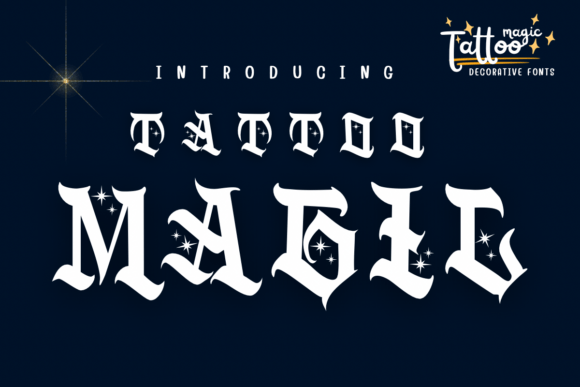
When I first opened the folder containing Tattoo Magic, my immediate reaction wasn't just about aesthetics; it was about utility. As a designer who spends hours tweaking kerning and testing legibility across devices, I approach every new typeface with a critical eye. This isn't just another file to add to the library; it's a potential tool for solving specific visual problems. Tattoo Magic lands squarely in the Decorative category, but its personality suggests it can do more than just sit pretty in a headline. It has a distinct voice—gritty yet polished, reminiscent of classic ink work but refined for modern digital application.
The Visual Personality and First Impressions
The mood this font creates is undeniable. It carries the weight of tradition found in old-school flash sheets but strips away the unnecessary clutter that often makes similar fonts unusable for professional brand identity work. The letters feel substantial. There is a tactile quality to the strokes, as if you can feel the pressure of the needle or the brush. For projects requiring a sense of permanence, rebellion, or artisanal craft, Tattoo Magic delivers instantly. It doesn't whisper; it declares. However, unlike many novelty fonts that fall apart under scrutiny, the underlying structure here feels solid. The curves are intentional, and the terminals have a sharpness that prevents the design from looking muddy when scaled up.
Real-World Application in Branding and Packaging
In my workflow, the true test of any display font is how it performs in actual client deliverables. I immediately imagined Tattoo Magic in a logo design context. For a coffee roaster, a craft brewery, or a boutique barbershop, this font offers an instant narrative. It tells the customer that the brand values heritage and handcrafted quality. When applied to packaging design, specifically on product labels for hot sauce jars or beard oil bottles, the font holds its own against textured backgrounds. It cuts through the noise.
Beyond physical goods, I tested it for web design headers. While it is certainly a statement piece, it loads cleanly and renders well on high-resolution screens. For social media graphics, particularly Instagram stories or Pinterest pins where stopping the scroll is crucial, Tattoo Magic provides that necessary visual hook. It works exceptionally well for limited-run merchandise, such as t-shirts or tote bags, where the typography itself becomes the primary graphic element. For digital sellers creating Canva templates or Cricut projects, this font offers a premium look that elevates simple DIY designs into something that feels professionally curated.
Strategic Usage and Limitations
However, enthusiasm must be tempered with professional judgment. Tattoo Magic is not a workhorse for body copy. Its decorative nature means it should be used carefully. I would strictly limit its use to large headlines, short phrases, brand marks, and decorative accents. Trying to force this font into paragraphs or supporting text would destroy readability and frustrate the reader. It shines in editorial design when used for pull quotes or chapter headers, adding a layer of visual interest without compromising the flow of the article.
For premium packaging, restraint is key. Using it for the entire front label might be overwhelming. Instead, pair it with a clean, neutral typeface for the ingredient list or legal text. This contrast ensures that while the brand gets attention, the necessary information remains accessible. In terms of digital ads, keep the copy short. Three to five words maximum. Anything longer, and the intricate details of the letterforms begin to compete with the message rather than support it.
Impact on Readability and Brand Trust
The choice of typography directly influences audience trust and recognition. A sloppy decorative font can make a business look amateurish, but Tattoo Magic maintains a level of professionalism that preserves brand consistency. Because the characters are distinct and well-proportioned, it aids in quick recognition, which is vital for engagement. When a potential customer sees a cohesive visual mood across a website header, a flyer, and a product label, it signals reliability. This font helps establish a specific vibe—rugged, authentic, and bold—which resonates deeply with target audiences in lifestyle and creative sectors.
Practical Designer Notes and Pairing Strategies
Before committing to this font in a final mockup, I always run a series of practical tests. First, I test Tattoo Magic in pure black and white. Decorative fonts often rely on color to hide flaws, but a strong typeface must work in monochrome. Fortunately, this one passes with flying colors; the contrast is sharp. Next, I check small-size readability. While it's not meant for tiny text, seeing how it breaks down at 24 pixels versus 72 pixels helps determine its minimum viable size for mobile interfaces.
Font pairing is where the real magic happens. I tried placing Tattoo Magic beside a geometric sans serif font, and the combination felt modern and balanced—the simplicity of the sans serif grounded the flair of the decorative title. Alternatively, pairing it with a traditional serif font created a sophisticated, editorial look suitable for high-end magazines or luxury goods. I also experimented with a flowing script font for subheads, which added a dynamic, handwritten feel, though this requires careful spacing to avoid visual clutter. Comparing uppercase and lowercase reveals that the all-caps setting offers the most impact for logos, while the lowercase forms are surprisingly elegant for shorter taglines.
Finally, a crucial reminder for all creatives: always confirm commercial licensing before using Tattoo Magic in client work or commercial design assets. Whether you are a freelancer, a small business owner, or a publisher, ensuring you have the right license protects your business and respects the creator's work. When used correctly, this creative font transforms from a simple digital product into a cornerstone of a memorable brand identity.